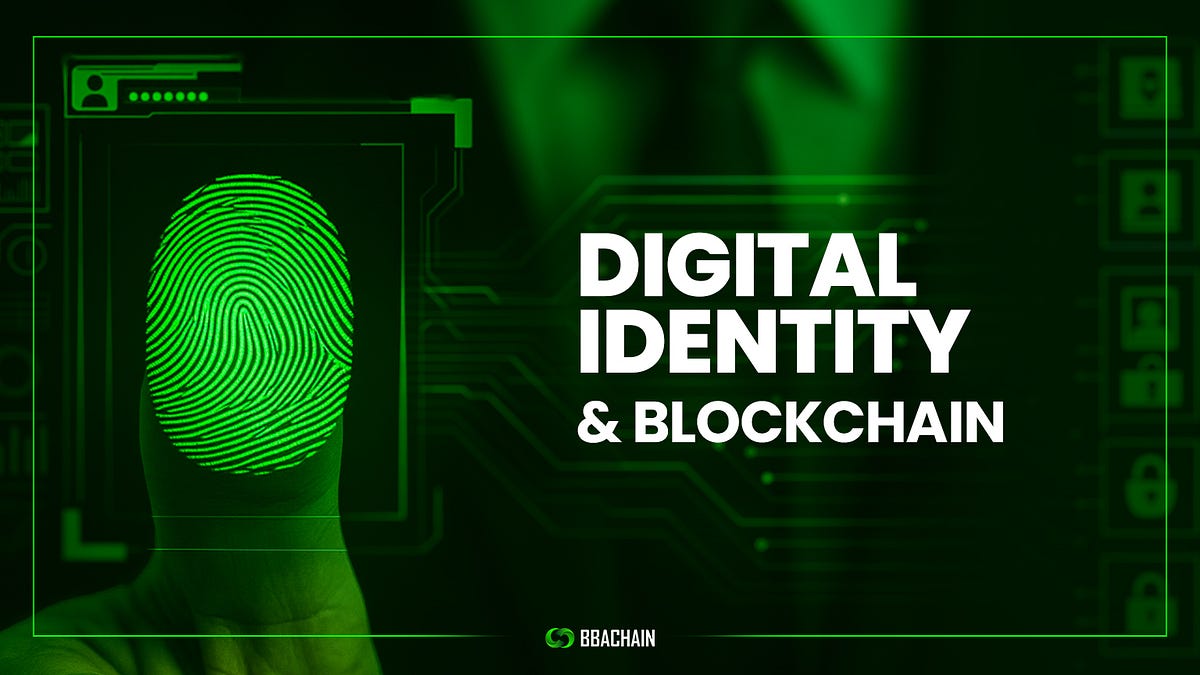
Imagine having complete control over your digital identity, without relying on a central authority. Sounds like a dream, right? Well, blockchain is making it a reality! With blockchain, you’re the boss of your own digital ID.
Identity and verification are critical components in blockchain technology, particularly in applications where security, compliance, and trust are essential.
Blockchain technology offers a secure and decentralized way to manage digital identities, giving users control over their personal data.
Blockchain enables you to control your own identity data, without relying on a central authority. It’s like having your own digital ID card, but way more secure. A digital identity on a blockchain is represented as a unique identifier, like a public key or digital certificate.
Verification Mechanisms: The Secret Sauce
Blockchain uses advanced verification mechanisms, like cryptographic signatures and zero-knowledge proofs, to ensure the authenticity and integrity of transactions. It’s like having a digital notary, but way cooler! Identity verification is the process of confirming the identity of users or entities on a blockchain network.
With blockchain, identity and verification become more secure, private, and efficient. You control your own data, and share it selectively, reducing the risk of data breaches and identity theft . Plus, blockchain-based identity and verification can automate processes and reduce intermediaries, making transactions faster and more efficient.
The Stats: Identity Crisis
- 1.1 billion people worldwide lack a recognized form of identity, making it difficult for them to access basic services like healthcare and education.
- 2.8 billion consumer data records were exposed in 2018, resulting in estimated losses of over $654 billion.
- 60% of the unbanked population already own mobile phones, paving the way for blockchain-based mobile identity solutions.
- 97% of data breaches in 2018 involved personally identifiable information, highlighting the need for robust security measures.
- The global blockchain identity management market is expected to grow from $1.3 billion in 2023 to $35.1 billion by 2028.
The Possibilities: Endless
Blockchain-based digital identity solutions can be used in voting systems, healthcare, financial services, and more. It can also streamline Know Your Customer(KYC) and Anti Money Laundry(AML) processes to confirming the identity of users or entities on a blockchain network.
It can also track goods in supply chains, and enable self-sovereign identity. With blockchain, you can even monetize your personal data, and transfer it directly from one controller to another.
The future of identity management is here, and it’s built on blockchain. With its decentralized and immutable nature, blockchain provides a secure and tamper-proof way to manage identity and verification. For example: North America accounts for the highest market size in the blockchain identity management market, driven by increasing adoption of digital identity solutions and the healthcare is expected to be one of the fastest-growing sectors, due to the need for secure storage and exchange of sensitive patient data.
The Challenges and Limitations of Blockchain-Based Identity and Verification
Blockchain-based identity and verification solutions face several challenges and limitations. One of the major challenges is regulatory compliance, as these solutions must comply with relevant regulations such as GDPR and AML/KYC requirements. Scalability is another limitation, as blockchain’s scalability issues can impact the performance of identity and verification systems, particularly in high-volume applications. Interoperability is also a challenge, as different blockchain networks and identity systems may have varying standards and protocols, making it difficult for them to work together.
Despite the challenges, blockchain-based identity and verification solutions have several exciting use cases. Digital identity solutions can be used for secure authentication and verification in various applications, such as voting systems, healthcare, and financial services. Blockchain can also streamline KYC/AML processes by providing a secure and efficient way to verify identities and share information between organizations. Additionally, blockchain-based identity and verification can be used in the supply chain management sector to track the origin, movement, and ownership of goods in supply chains.
The Power of Self-Sovereign Identity
Self-sovereign identity allows individuals to store their identity data on their own devices and choose which information to share with validators. This gives users complete control over their personal data and enables them to make informed decisions about how it is used.
Data monetization is another exciting use case, where users can control and profit from their personal data, such as by renting it to AI training algorithms or selling it to advertisers. Data portability is also enabled, allowing users to transfer their identity data directly from one controller to another, enhancing user experience and reducing friction.
BBACoin: A Game-Changer in Blockchain Identity
As you know, BBAChain is working to bring each country’s elections to the blockchain, which means developing a technology that allows people to cast their votes and provide personal information while also keeping it private. This developing technology is poised to establish a watershed in the industry due to the complexity and advancements required to maintain privacy, regulation, and interoperability.
By leveraging blockchain technology, identity and verification systems can become more secure, efficient, and transparent, enabling new use cases and applications across various industries.